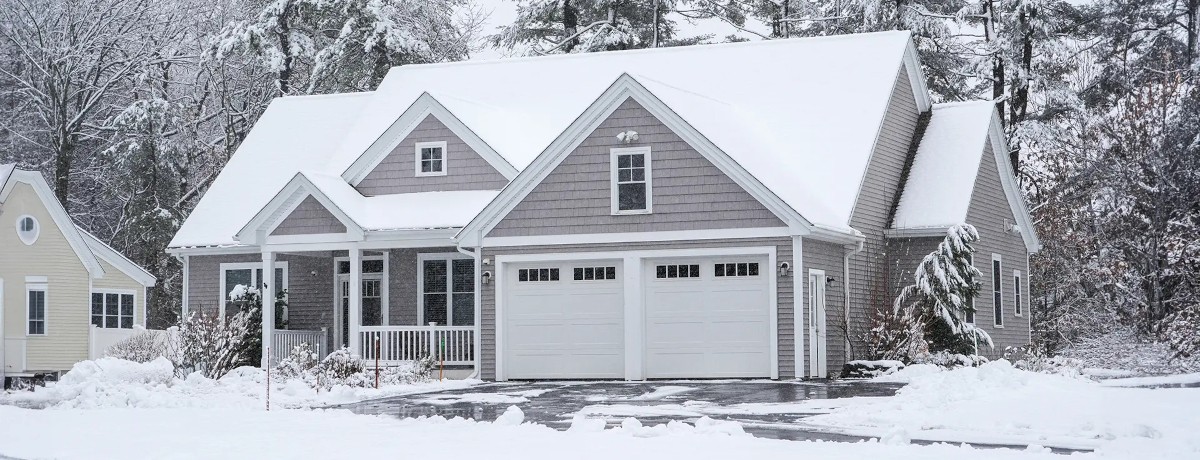
One of the most common questions homeowners ask as the temperature drops is whether they should put their property on the market now or wait until spring.
The answer depends on the circumstances. Montreal's real estate market does not stop when the snow arrives. Buyers continue searching for properties throughout the winter, and some have practical reasons for wanting to complete a purchase before the end of the year or early in the new year.
Winter can also change the way a property is presented. Snow may cover landscaping, shorter days can make photography and showings more challenging, and sellers must pay closer attention to snow removal, heating and access.
For some homeowners, listing during the winter is a sensible decision. For others, waiting until spring may provide more time to prepare the property or take advantage of seasonal presentation opportunities.
Rather than choosing a listing date based on the calendar alone, sellers should consider the property's condition, competition, likely buyers and personal timeline.
The advantages of selling a house during winter
There are several reasons why selling a home during the Montreal winter can make sense.
1. Some buyers are highly motivated
People looking for a property in December, January or February are not necessarily browsing casually. They may need to relocate for work, have a lease ending, be dealing with a change in family circumstances or simply want to move forward with a purchase.
A buyer who is actively searching during the winter may have a specific timeline and a clear idea of what they need.
This does not mean every winter buyer is more serious than a spring buyer. However, winter sellers may encounter people who have a concrete reason to move and are prepared to act when the right property becomes available.
2. There may be fewer competing listings
In some neighbourhoods and property categories, the number of homes listed for sale can be lower during the winter than during the busier spring market.
Less competition can help a property attract attention, particularly if it is well presented and priced appropriately.
For example, a seller listing a detached home in January may have fewer directly comparable properties competing for the same buyers than someone listing during a period when many homeowners are entering the market.
However, this is not guaranteed. Competition varies by neighbourhood, price range and property type. A shortage of competing listings is only an advantage if there are buyers looking for that particular type of property.
3. Your property can stand out
When fewer properties are being marketed in a particular segment, a well-prepared listing can attract attention.
Professional photography, a clear property description, an accurate price and flexible showing arrangements are important at any time of year. During winter, they can be particularly valuable because buyers may be comparing fewer available options.
A home that is clean, bright, comfortable and easy to visit can make a positive impression even when the weather outside is unpleasant.
4. You can move forward with your plans sooner
Waiting until spring is not always practical.
You may have accepted a job elsewhere, found another property, experienced a change in your financial situation or decided that it is time to move.
Selling in winter can allow you to coordinate your next steps without waiting several additional months. Depending on your circumstances, listing sooner may also help you avoid carrying two properties or paying ongoing expenses for a home you no longer need.
The right decision should take into account your personal timeline as well as market conditions.
The disadvantages of selling during winter
Winter sales are not without challenges. Sellers should understand the potential drawbacks before deciding when to list.
1. Snow can hide important exterior features
Snow can make a property look attractive, but it can also conceal details buyers want to evaluate.
Landscaping, gardens, patios, walkways, retaining walls and portions of the driveway may be difficult to assess. Buyers may not be able to see the condition of the lawn, the layout of outdoor spaces or the extent of certain exterior features.
This is particularly relevant for properties where the outdoor space is a major selling point.
If possible, use professional photographs taken during the warmer months to show the garden, terrace, swimming pool or landscaping. These images can supplement current winter photographs and help buyers understand how the property looks throughout the year.
The goal is to present an accurate picture of the property, not to create an impression that does not reflect its current condition.
2. Shorter days affect photography and showings
Montreal's winter days are short. By late afternoon, natural light can be limited, making it more difficult to photograph a property or schedule a showing when the exterior is still bright.
A dark or poorly lit home can also feel less inviting.
Professional photography should be scheduled with natural light in mind. Interior lights should be used strategically, curtains should be open during daytime showings, and exterior lighting should be checked before evening appointments.
If a property has large windows or attractive views, it is worth making sure that buyers can appreciate them during the available daylight.
3. Snow and ice create access challenges
A driveway covered in snow, an icy front step or a poorly cleared walkway can discourage buyers before they even enter the property.
These conditions are also safety concerns. Sellers should ensure that visitors can safely reach the entrance, walk around the property where appropriate and access any areas included in the listing.
Snow removal and ice control become part of the ongoing responsibilities of having a property on the market.
4. Outdoor features are harder to appreciate
A swimming pool, landscaped garden, outdoor kitchen or large terrace may be a major selling feature during the summer. In winter, these spaces can be difficult to evaluate.
A buyer may understand that a backyard is attractive based on photographs, but it is not the same as seeing it in person.
For this reason, sellers should consider whether the property's value is strongly connected to outdoor features and whether waiting until spring would make it easier to showcase them.
5. Weather can complicate scheduling
Snowstorms, freezing rain and poor road conditions can affect appointments. Buyers may need to reschedule, arrive late or be less inclined to travel across the city for a viewing.
This does not mean showings should stop whenever the weather is unpleasant. It simply means sellers should be prepared for occasional changes and maintain reasonable flexibility.
How to prepare your Montreal home for a winter sale
Preparing a property for winter showings involves more than cleaning and staging. The exterior, heating, lighting and overall comfort of the home all contribute to the buyer's experience.
1. Keep the entrance and walkways clear
First impressions begin before buyers enter the home.
During winter, make sure that:
- The driveway is cleared of snow.
- The front walkway and steps are free of snow and ice.
- The entrance is accessible and well lit.
- Any handrails are secure and easy to use.
- Snow is not blocking access to the garage or side entrance.
- A suitable mat is available for wet boots.
If the property has a long driveway or several exterior access points, make sure they are maintained throughout the listing period.
It is also helpful to have a designated area where visitors can remove their footwear. This helps protect floors and keeps the entrance organized.
2. Make the home warm and comfortable
A home that feels cold during a winter showing can leave a negative impression.
Maintain a comfortable indoor temperature and make sure the heating system is operating properly. Buyers may pay particular attention to the heating system, windows, insulation and signs of drafts when visiting a property during cold weather.
Before listing, consider checking:
- The furnace, boiler or other heating equipment.
- Thermostats and heating controls.
- Windows and exterior doors for noticeable drafts.
- Bathroom and kitchen ventilation.
- Any visible signs of condensation or moisture.
- The operation of fireplaces or wood-burning appliances, where applicable.
You do not necessarily need to undertake major renovations before selling. However, addressing obvious maintenance issues can help avoid unnecessary concerns during a showing or inspection.
3. Maximize natural and artificial light
A bright property feels more welcoming, especially during the darker months.
Open curtains and blinds before showings, clean windows where accessible, and make sure that all light fixtures are working.
Consider using consistent, warm lighting throughout the home. Replace burned-out bulbs and pay particular attention to darker hallways, staircases, basements and rooms with smaller windows.
If the property has a finished basement, make sure that it is adequately lit. Buyers should be able to appreciate the space without feeling that it is dark or neglected.
4. Keep the interior clean and uncluttered
Winter clothing, boots, coats and accessories can quickly make an entrance feel crowded.
Before showings, remove unnecessary items and organize the space so that buyers can move comfortably through the home.
Other useful preparations include:
- Removing excess furniture to make rooms feel more spacious.
- Keeping kitchen counters clear.
- Making beds and organizing bedrooms.
- Cleaning bathrooms and mirrors.
- Vacuuming floors and cleaning visible surfaces.
- Keeping laundry and storage areas tidy.
- Removing strong cooking, pet or household odours.
The objective is to help buyers focus on the property rather than on the seller's personal belongings.
5. Maintain the exterior throughout the listing
Even if snow covers much of the landscaping, the exterior should still look maintained.
Keep the driveway and paths clear, remove accumulated snow from areas where it could create a hazard, and ensure that exterior lights are functioning.
If there are exterior stairs, balconies or other features that buyers may need to inspect, make sure they are accessible when conditions permit.
Do not attempt to expose areas that cannot be accessed safely. If certain exterior features are temporarily inaccessible because of snow or ice, be prepared to explain this to prospective buyers.
6. Prepare photographs that show the property in every season
Winter photography should accurately represent the current condition of the property while helping buyers understand its full potential.
A good marketing strategy may include:
- Current exterior photographs showing the home in winter.
- Interior photographs taken in good natural light.
- Summer photographs of gardens, landscaping and outdoor living spaces.
- Images of a pool, terrace or backyard when these features are in use.
- Floor plans, where available and appropriate.
Seasonal photographs can be particularly useful for properties with attractive outdoor spaces. They allow buyers to visualize how the property will look once the snow has melted.
However, photographs should not be misleading. Any seasonal images should be representative of the property and clearly understood as showing a different time of year.
Pricing your home for a winter sale
Pricing is one of the most important decisions when selling a property, regardless of the season.
A common mistake is to assume that a home must be discounted simply because it is being listed in winter. Another is to assume that fewer competing listings automatically justify a higher asking price.
Neither approach is reliable.
The asking price should reflect the property's current market value, taking into consideration recent comparable sales, active competition, location, condition, property type and buyer demand.
Consider the competition in your immediate market
A Montreal-wide market statistic may provide useful context, but it does not necessarily tell you how a particular property will perform.
A two-bedroom condo in Griffintown, a duplex in Rosemont and a detached home in Pointe-Claire attract different buyers and compete with different properties.
A useful pricing analysis should consider:
- Recent sales of comparable properties.
- Current listings competing for the same buyers.
- Properties that have expired or been withdrawn.
- Differences in condition, renovations and features.
- The time properties are taking to sell.
- The number of similar homes available in the neighbourhood.
Winter pricing should be based on the evidence available for the property's specific market, not on a general belief that buyers expect discounts during colder months.
For a closer look at the factors that influence value, see How Much Is My Montreal Home Worth?.
Avoid pricing too high because there are fewer listings
A property may appear to have little competition, but that does not mean buyers will automatically accept an inflated asking price.
Buyers still compare properties, review recent sales and evaluate whether the asking price is reasonable.
An overpriced listing can remain on the market for weeks or months, eventually requiring price adjustments. This can be particularly frustrating for a seller who chose to list in winter specifically to move forward quickly.
A realistic initial price gives the property a better opportunity to attract attention when it first enters the market.
Marketing a property during the Montreal winter
A winter listing should have a marketing strategy that accounts for the season without making the season the focus of the entire presentation.
Use professional photography and a strong property description
Good photography is essential because many buyers first encounter a property online.
The listing should highlight the property's strongest features, including its layout, natural light, renovations, storage, parking, location and practical advantages.
If outdoor spaces are important, include appropriate seasonal photographs so buyers can understand what they offer during the warmer months.
The written description should focus on what makes the property appealing to its likely buyer, rather than relying on generic phrases about winter charm or seasonal atmosphere.
Make showings convenient
Buyers may have busy schedules, particularly during the holiday period. Flexible showing availability can make a difference.
Where possible:
- Allow reasonable notice for appointments.
- Keep the property ready for showings.
- Avoid restricting appointments to a very narrow time window.
- Make sure the entrance is cleared before scheduled visits.
- Have a plan for pets during showings.
- Keep the home comfortably heated.
If a snowstorm or freezing rain makes access unsafe, it may be reasonable to reschedule. Safety should take priority over maintaining an appointment at all costs.
Keep the listing current
If the property remains on the market for several weeks, continue maintaining it and reviewing the marketing strategy.
Monitor buyer feedback, showing activity and competing listings. If the property is attracting visits but not offers, it may be worth examining the price, presentation or any concerns raised by prospective buyers.
If there is very little activity, the marketing approach and asking price should be reviewed rather than assuming that buyers are simply waiting for spring.
Important considerations for sellers in Quebec
Selling during winter does not remove or change the usual legal obligations involved in a Quebec real estate transaction. However, some practical and documentation issues deserve attention before listing.
The Declarations by the Seller form
When selling a residential property through a real estate broker, the seller must complete the applicable Declarations by the Seller of the Immovable form.
This form provides buyers with information about the property's history and condition. It includes questions about matters such as water infiltration, damage, renovations, systems and other known characteristics of the property.
Sellers should answer accurately and to the best of their knowledge. If a problem has occurred, it should be disclosed even if it was repaired.
For example, a seller should not omit a previous roof leak simply because the roof has since been replaced. The relevant history and repairs should be explained.
The OACIQ provides guidance on the purpose and importance of this form in its seller's guide.
The certificate of location
A seller should also make sure that the certificate of location is available and reflects the current state of the property.
Changes such as a new fence, shed, pool, addition or other exterior modification may affect whether an existing certificate remains up to date. Changes to applicable regulations can also be relevant.
If a new certificate is required, it can take several weeks to obtain. The OACIQ indicates that preparation commonly takes approximately four to six weeks, although timing can vary.
It is therefore sensible to review this document before listing rather than waiting until an offer has been accepted. More information is available in the OACIQ's guide to up-to-date certificates of location.
Winter maintenance and the condition at delivery
Sellers should continue maintaining the property throughout the sale process.
Under the standard Promise to Purchase framework, the seller undertakes to deliver the property in the condition in which it was when the buyer visited, subject to the terms agreed upon in the transaction.
This makes it important to keep the property in reasonable condition between the initial visit and the date of delivery. For a winter sale, that includes taking care of heating, access and any maintenance responsibilities that apply.
The parties should also agree clearly on inclusions, exclusions, occupancy dates and any arrangements that affect the property's delivery.
The OACIQ's seller's guide to receiving a Promise to Purchase explains some of the seller's obligations.
Should you sell now or wait until spring?
There is no universal answer. The decision should be based on the property, the market and the seller's circumstances.
Selling during winter may make sense if:
- You need or want to move before spring.
- Your property is in good condition and ready to be marketed.
- Comparable properties in your segment are attracting buyer interest.
- There is relatively little direct competition.
- Your home has features that remain attractive throughout the year.
- You are prepared to maintain the property and accommodate winter showings.
Waiting until spring may make sense if:
- Your property needs repairs or preparation that cannot reasonably be completed before winter.
- The landscaping, garden or outdoor living space is a major part of its appeal.
- You want to complete renovations or improvements before listing.
- Your immediate market has very limited buyer activity.
- Your personal timeline allows you to wait without significant financial or practical consequences.
Waiting is not automatically the better option. Spring often brings more listings, which can mean more potential buyers but also more competition.
A seller who waits should consider what other properties are likely to enter the market at the same time and whether the additional preparation will meaningfully improve the listing.
For more information about preparing a property for sale, see Selling a Home in Montreal: Complete Guide.
Common mistakes to avoid when selling in winter
A winter listing can be successful, but a few avoidable mistakes can make the process more difficult.
- Assuming buyers disappear during winter. Buyers continue searching throughout the year. The important question is whether there is demand for your particular property at the right price.
- Neglecting snow and ice removal. An inaccessible or slippery entrance creates a poor first impression and can present a safety risk.
- Using only winter exterior photographs. Snow can hide landscaping and outdoor features. Relevant summer photographs can help buyers understand the property's full potential.
- Keeping the home too cold. Buyers should be able to visit comfortably and get a reasonable impression of the heating system and indoor environment.
- Ignoring lighting. Shorter days make it especially important to ensure that rooms, hallways, staircases and entrances are well lit.
- Overpricing because there are fewer competing listings. A limited number of listings does not automatically mean buyers will pay more. Pricing should be supported by comparable sales and current competition.
- Waiting until an offer is accepted to organize documents. A missing or outdated certificate of location can create delays. Preparing documentation early can help the transaction move forward more smoothly.
- Making the property difficult to visit. Restricting showings too much can reduce opportunities to reach interested buyers. Reasonable flexibility is important.
Frequently asked questions about selling a house in Montreal during winter
Is December a bad time to sell a house in Montreal?
Not necessarily. Buyer activity can vary around the holiday period, and some people may be less available for showings. However, buyers with specific needs or timelines continue searching. Whether December is appropriate depends on the property, its competition and the seller's circumstances.
Do houses sell for less in winter?
There is no rule that a home must sell for less because it is listed during winter. The final sale price depends on factors such as location, condition, comparable sales, buyer demand, competition and pricing strategy.
Seasonal patterns may influence market activity, but they should not be used as a substitute for a property-specific market analysis.
Is it better to wait until spring to sell?
Not automatically. Spring can bring increased buyer activity, but it can also bring more competing listings. If your property is ready and there are buyers looking for it, selling during winter may be a sensible choice.
Can buyers properly inspect a house during winter?
Yes, although snow and frozen ground can limit the inspection of certain exterior features.
A building inspector can examine accessible areas and the home's major systems. However, some conditions, such as grading, drainage, landscaping and certain foundation or exterior details, may be more difficult to assess when covered by snow.
Buyers and sellers should understand these limitations and discuss any necessary follow-up with the appropriate professionals.
Should I remove snow from my roof before selling?
Not simply for the purpose of making the property look better. Roof snow removal should be considered when there is a legitimate maintenance or safety concern, and it should be carried out by qualified professionals when necessary.
Sellers should not attempt dangerous roof work themselves. If there are concerns about ice dams, excessive snow accumulation or roof damage, an appropriate professional should assess the situation.
Should I use summer photographs when listing in winter?
Yes, when they accurately represent the property and help buyers understand features that are difficult to see under snow.
Summer photographs can be particularly useful for gardens, terraces, pools and landscaping. They should complement current photographs rather than replace them entirely.
How far in advance should I prepare my home for a winter sale?
Ideally, begin several weeks before listing. This gives you time to address maintenance issues, organize documents, arrange photography, declutter and prepare the property for showings.
If you need a new certificate of location, additional time may be necessary.
Can I sell my house in Montreal in January or February?
Yes. January and February are valid months to list a property. The number of buyers and competing listings will depend on the local market and property category, but there is no requirement to wait until spring to sell.
Conclusion: Winter can be the right time to sell, with the right preparation
Selling a house in Montreal during winter is entirely possible. While snow, cold temperatures and shorter days create additional considerations, they do not prevent a property from attracting buyers or completing a successful transaction.
In some circumstances, winter can offer a useful opportunity to reach motivated buyers while facing less competition. In others, waiting until spring may make it easier to showcase outdoor features or complete necessary preparation.
The most important factors remain the same throughout the year: understanding your property's market value, presenting it properly, pricing it realistically and making it accessible to potential buyers.
Before deciding when to list, take the time to evaluate your property, review comparable sales and competing listings, and consider your personal timeline. A well-prepared winter listing can be just as worthwhile as a spring listing when the timing and strategy are appropriate.
If you're thinking about buying or selling real estate in Montreal or anywhere in Quebec, I'd be happy to help. Call me at 514-777-1535 or email Christopher@CCMRealty.ca to discuss your real estate goals.