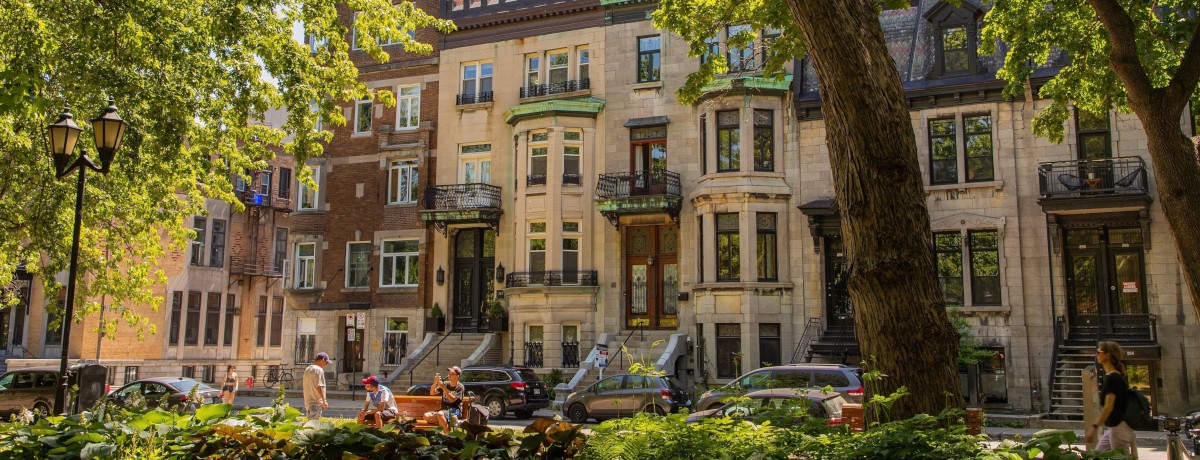
Buying real estate in Montreal is an exciting milestone, whether you are purchasing your first condo, upgrading to a larger home, or investing in property. Montreal’s real estate market is unique compared to other Canadian cities, shaped by Quebec laws, diverse neighbourhoods, and evolving market conditions.
This complete guide walks you through every step of buying property in Montreal, from financial preparation to closing day, helping you make confident and informed decisions.
Why Buy Real Estate in Montreal?
Montreal continues to attract buyers thanks to its balance of affordability, lifestyle, and long term investment potential. Compared to cities like Toronto or Vancouver, Montreal real estate remains relatively accessible while offering strong value growth.
Key advantages include:
- Diverse neighbourhoods suited to different lifestyles
- Strong rental demand and investment potential
- Cultural vibrancy and walkable communities
- Stable long term property appreciation
- Access to public transit and urban amenities
Whether you are searching for a condo in Griffintown, a duplex in Rosemont, or a family home in the West Island, Montreal offers opportunities for many types of buyers.
Step 1: Understanding the Montreal Real Estate Market
Before starting your search, it is important to understand how the Montreal housing market works.
Market Conditions
The market shifts between buyer and seller advantages depending on inventory levels, interest rates, and seasonal trends. Spring typically brings more listings, while winter can present negotiation opportunities.
Property Types
Common property options include:
- Divided condominiums
- Undivided co ownership properties
- Single family homes
- Duplexes and triplexes
- Income properties
Each property type comes with different financing rules and legal considerations, especially undivided condos, which are unique to Quebec.
Step 2: Getting Pre Approved for a Mortgage
Mortgage pre approval is one of the most important early steps when buying real estate in Montreal.
A pre approval helps you:
- Understand your realistic budget
- Strengthen your purchase offer
- Lock in an interest rate temporarily
- Avoid surprises later in the process
Lenders evaluate income, debt ratios, credit history, and down payment availability.
Down Payment Requirements in Quebec
Typical minimums include:
- 5 percent for owner occupied properties under certain price thresholds
- 20 percent for investment properties or some undivided co ownerships
Working with a mortgage broker familiar with Quebec regulations can simplify this step significantly.
Step 3: Choosing the Right Montreal Neighbourhood
One of Montreal’s greatest strengths is its neighbourhood diversity.
Buyers should consider:
- Commute times
- Schools and parks
- Walkability and services
- Future development plans
- Lifestyle preferences
Popular areas include Plateau Mont Royal, Verdun, Villeray, NDG, Saint Henri, and Ahuntsic, each offering distinct character and pricing dynamics.
A real estate broker provides local insight that online listings alone cannot offer.
Step 4: Starting Your Property Search
Once pre approved, the active search begins.
Your broker will typically set you up with customized Centris alerts matching your criteria, allowing you to see new listings quickly. In competitive markets, timing matters.
During visits, focus on:
- Overall building condition
- Renovations and maintenance history
- Condo association documents
- Natural light and layout functionality
- Potential future resale value
Buying is not only about today’s needs but also long term investment performance.
Step 5: Making an Offer to Purchase
In Quebec, offers are submitted using a standardized Promise to Purchase document.
Key components include:
- Purchase price
- Financing conditions
- Inspection clause
- Notary timeline
- Included items and exclusions
Negotiation may involve price adjustments, conditions, or occupancy dates. A knowledgeable broker helps protect your interests while keeping the transaction moving forward.
Step 6: The Home Inspection
A professional inspection is strongly recommended for most purchases.
Inspectors evaluate:
- Structure and foundation
- Roof condition
- Electrical and plumbing systems
- Heating systems
- Moisture or insulation concerns
The inspection allows buyers to renegotiate or request repairs if significant issues are discovered.
Step 7: Final Mortgage Approval and Notary Process
After conditions are satisfied:
- Mortgage approval becomes final
- The notary prepares legal documents
- Title verification is completed
- Funds are transferred securely
Unlike other provinces, Quebec real estate transactions are finalized through a notary rather than a lawyer.
The notary ensures legal protection for both buyer and seller.
Step 8: Closing Day and Taking Possession
On signing day:
- Documents are signed at the notary office
- Mortgage funds are released
- Ownership transfers officially
- Keys are handed over
Congratulations, you are now a homeowner in Montreal.
Costs to Budget For When Buying in Montreal
Beyond the purchase price, buyers should plan for:
- Welcome tax (land transfer tax)
- Notary fees
- Inspection costs
- Moving expenses
- Adjustments for taxes or condo fees
Proper financial planning prevents unexpected stress during closing.
Common Mistakes Buyers Should Avoid
Many buyers make avoidable errors, such as:
- Skipping mortgage pre approval
- Falling in love before analyzing resale value
- Ignoring condo documents
- Underestimating closing costs
- Making emotional decisions under pressure
Working with an experienced real estate broker reduces these risks significantly.
Why Work With a Montreal Real Estate Broker?
Buying property involves legal, financial, and negotiation complexities. A broker helps by:
- Providing market analysis
- Identifying opportunities early
- Negotiating strategically
- Coordinating inspections and financing
- Guiding you from search to closing
Professional guidance often saves both time and money.
Final Thoughts
Buying real estate in Montreal is both a lifestyle decision and a long term investment. With proper preparation, expert advice, and a clear strategy, the process becomes far more manageable and rewarding.
Whether you are entering the market for the first time or planning your next move, understanding each step helps you buy with confidence.
If you are thinking about buying real estate in Montreal and want personalized guidance, feel free to call me at 514-777-1535 or reach out via e mail at Christopher@CCMRealty.ca. I would be happy to help you navigate the process from start to finish.